

Creating a cozy and inviting home office is essential for comfort and productivity, especially as many people spend significant time working from home. A well-designed space encourages focus while making you feel relaxed and motivated. Here are some practical tips to help you design a home office that you’ll enjoy spending time in.
Choose the Right Location
The first step in creating your home office is selecting the best spot. Ideally, this space should:
– Be quiet and free from distractions.
– Have access to natural light.
– Offer enough room for your desk and storage needs.
If you don’t have a dedicated room, consider using a corner in a quieter area of your home, such as a bedroom or living room nook.
Focus on Comfortable and Functional Furniture
Comfort is key in a home office since you’ll be spending hours here. Choose furniture that supports good posture and fits your needs:
– Ergonomic chair: Invest in a chair with adjustable height, lumbar support, and cushioning.
– Adequate desk: Your desk should be large enough for your computer, paperwork, and other essentials.
– Storage solutions: Include shelves, drawers, or organizers to keep your workspace tidy.
Remember, practical furniture will improve your comfort and help maintain focus.
Incorporate Warm and Inviting Lighting
Lighting affects both mood and productivity. Consider these lighting options:
– Natural light: Position your desk near a window to maximize daylight.
– Task lighting: Use desk lamps with adjustable brightness for detailed work.
– Ambient lighting: Add soft overhead or floor lamps to create a warm atmosphere in the room.
Avoid harsh fluorescent lights, as they can strain your eyes and reduce comfort.
Use Colors and Textures to Enhance Warmth
Colors and textures greatly influence the coziness of a room. To create an inviting atmosphere:
– Choose warm, neutral colors like soft beige, light gray, or muted pastels for walls and large furniture.
– Introduce color accents through pillows, rugs, or art pieces for personality.
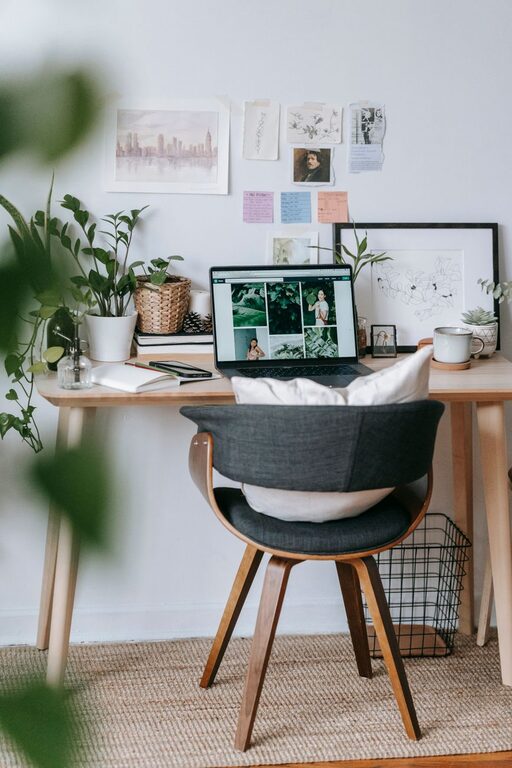
– Incorporate natural materials like wood, wicker, or textiles to add texture and warmth.
These elements make your office feel more welcoming and less clinical.
Personalize Your Space
Adding personal touches can make your office feel uniquely yours and boost your mood:
– Display photos, favorite artwork, or inspirational quotes.
– Include plants to bring life and fresh air into your space.
– Use organizers or containers in colors and styles you love.
Personalization encourages a sense of ownership and comfort, helping you stay motivated throughout the day.
Keep Your Workspace Organized
A clutter-free office promotes focus and efficiency. To maintain organization:
– Regularly declutter your desk to keep only what you need.
– Use drawers, containers, and shelves to store supplies neatly.
– Develop a filing system for papers and digital files to avoid overwhelm.
Implementing organizational habits transforms your office into a calm, productive environment.
Add Comfort with Soft Textiles
Soft textiles contribute significantly to coziness. Consider adding:
– A plush area rug under your desk.
– Cushions or a throw blanket on your chair.
– Curtains or blinds to control light and add softness.
These elements make your office space more comfortable, inviting relaxation during breaks.
Manage Noise and Distractions
Noise can disrupt concentration, so think about ways to reduce distractions:
– Use noise-canceling headphones or white noise machines.
– Add thick curtains or fabric wall hangings that help absorb sound.
– Place your desk away from noisy appliances or high-traffic zones.
A calm, quiet environment supports better focus and reduces stress.
Incorporate Technology Thoughtfully
Technology is essential but can also overwhelm your space. Keep it simple by:
– Organizing cables with clips or cord covers.
– Choosing wireless devices when possible.
– Positioning screens and keyboards ergonomically to reduce strain.
Balancing technology with comfort allows you to work efficiently without a chaotic setup.
Final Thoughts
Designing a cozy and inviting home office takes thoughtful planning, but the benefits are well worth it. Prioritize comfort, lighting, personalization, and organization to create a space that supports your work and well-being. With these tips, you can enjoy a beautiful, productive home office that feels like a true sanctuary.