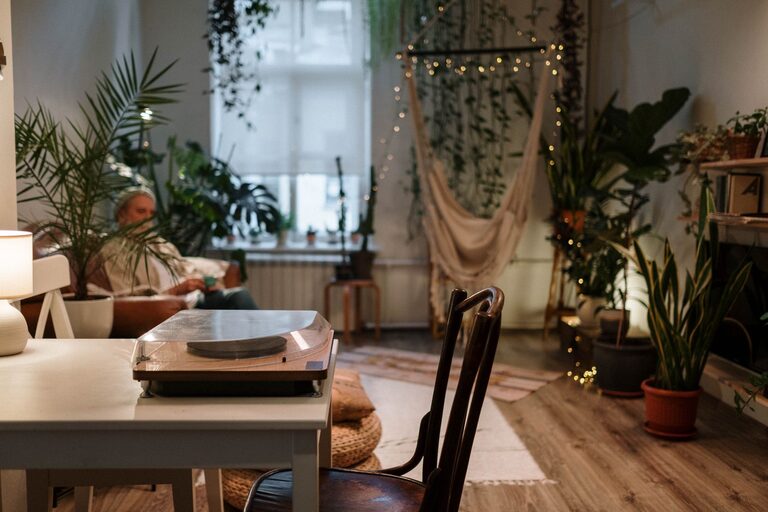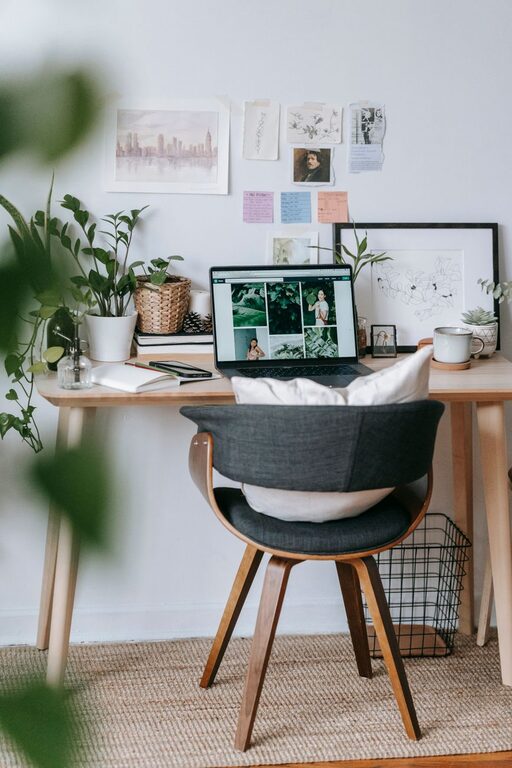



Working from home has become more common than ever, making it essential to design a home office environment that promotes both productivity and relaxation. A cluttered or uncomfortable workspace can increase stress and reduce focus, while a calming, organized area can boost creativity and motivation. Whether you have a dedicated room or a small corner, these tips can help you create a relaxing home office tailored to your needs.
1. Choose the Right Location
Finding the right spot for your home office is the first step toward creating a comfortable environment.
– Natural Light: Whenever possible, set up your workspace near a window. Natural light improves mood and reduces eye strain.
– Quiet Space: Select a spot away from high-traffic areas to minimize distractions and noise.
– Ventilation: Good airflow keeps the room fresh and comfortable, helping you stay alert.
2. Invest in Comfortable Furniture
Comfort plays a big role in how relaxed and productive you feel during the day.
– Ergonomic Chair: Choose a chair that supports your back and encourages good posture to prevent discomfort.
– Adjustable Desk: If you can, select a desk with adjustable height for flexibility between sitting and standing.
– Proper Desk Size: Ensure your desk has enough space for your computer, supplies, and a few personal items without crowding.
3. Optimize Lighting
Lighting affects both your mood and your ability to work without strain.
– Task Lighting: Use a desk lamp with adjustable brightness for focused work.
– Avoid Glare: Position screens perpendicular to windows or bright lights to reduce reflection on your monitor.
– Soft Ambient Light: Supplement natural light with soft, indirect lighting to create a cozy atmosphere.
4. Keep the Space Organized
A tidy workspace reduces stress and helps you maintain focus.
– Declutter Regularly: Remove unnecessary items from your desk and surrounding area.
– Use Storage Solutions: Use shelves, drawers, and organizers to keep documents and office supplies in order.
– Cable Management: Organize cords with clips or sleeves to prevent tangling and maintain a clean desk.
5. Add Personal Touches
Incorporating elements that make you happy can boost your mood and comfort.
– Plants: Adding greenery improves air quality and creates a soothing environment.
– Art and Photos: Hang artwork or display photos that inspire you.
– Comfort Items: Include a soft throw blanket or cushion to make your space more inviting.
6. Incorporate Relaxation Techniques
Your home office should be a place where you can occasionally relax and recharge.
– Aromatherapy: Use gentle scents like lavender or eucalyptus with a diffuser to promote calmness.
– Mindful Breaks: Set reminders to pause for breathing exercises or stretching during the day.
– Noise Control: Consider noise-canceling headphones or background music with soft instrumental sounds to enhance concentration.
7. Control Technology and Notifications
Technology can be both a help and a hindrance to relaxation and productivity.
– Manage Notifications: Turn off non-essential notifications during focused work periods.
– Limit Devices: Use only necessary devices in your workspace to reduce distractions.
– Regular Breaks from Screen: Follow the 20-20-20 rule—every 20 minutes, look at something 20 feet away for at least 20 seconds.
8. Keep Hydrated and Nourished
Your body needs proper care to stay relaxed and productive.
– Water: Keep a bottle or glass of water nearby to stay hydrated throughout the day.
– Healthy Snacks: Choose light, nutritious snacks like nuts or fruit to maintain energy levels without feeling sluggish.
Final Thoughts
Creating a relaxing home office environment is about balancing functionality with comfort. Small changes like adding plants, choosing the right lighting, and keeping your space organized can have a big impact on how you feel while working. Prioritize your well-being and customize your setup to suit your work style and personal preferences. With these tips, you can transform your home office into a space that inspires focus and calm every day.